
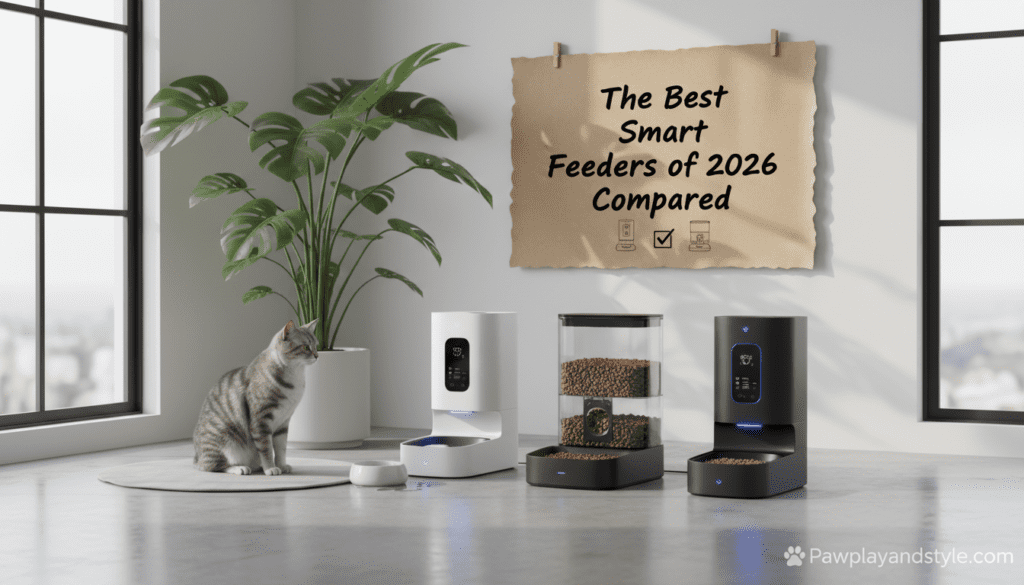
Feeding your pet may seem simple, but missed meals, inconsistent routines, and overfeeding are everyday problems many pet parents struggle with—often without realising the long-term impact on health and behaviour.
Smart feeders are no longer luxury gadgets. In 2026, they have become practical tools that help manage portions, reduce anxiety, and maintain consistent routines even when life gets busy.
However, not all smart feeders deliver the same results. Many reviews focus on flashy features, while ignoring what truly affects your pet’s wellbeing and your daily convenience.
This guide breaks down the features that actually matter, how they perform in real life, and what to look for before choosing a smart feeder.
1. Portion Control That Actually Works
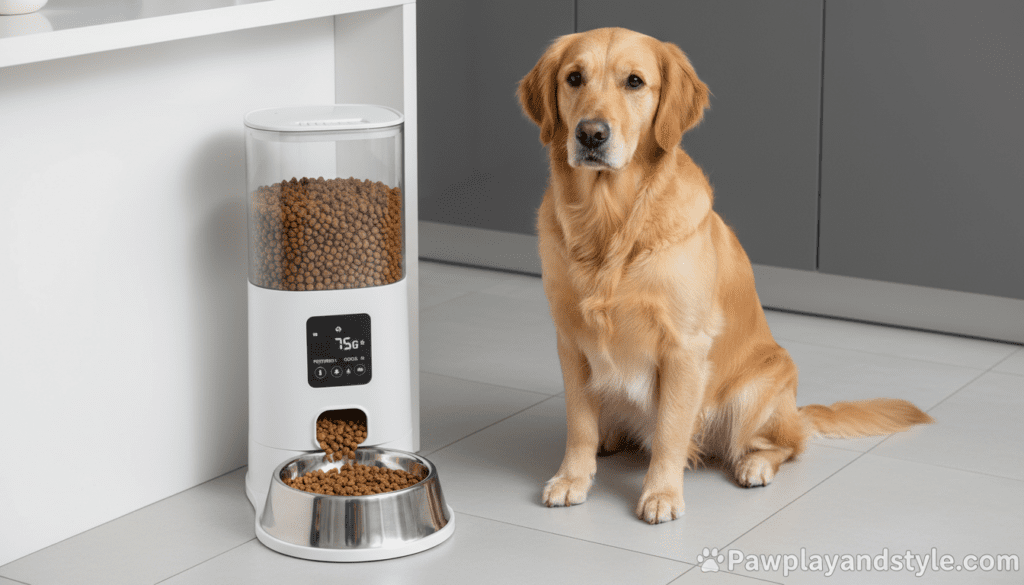
Portion control is the single most important feature of any smart feeder. For many pets—especially cats and small breeds—even small overfeeds can quickly lead to weight gain or digestive issues.
Advanced Portion Control Features to Look For
Gram-level accuracy: Some feeders offer precision down to 1 gram, which is essential for strict diets or vet-prescribed feeding plans
Multi-pet recognition: Feeders that use microchips or RFID collars prevent food stealing in multi-pet households
Custom feeding plans: Different portion sizes at different times help mimic natural feeding rhythms
Pro tip:
Avoid feeders that rely only on motor “steps” to estimate portions. These systems are less accurate and often lead to inconsistent feeding.
2. App Control That Genuinely Simplifies Life
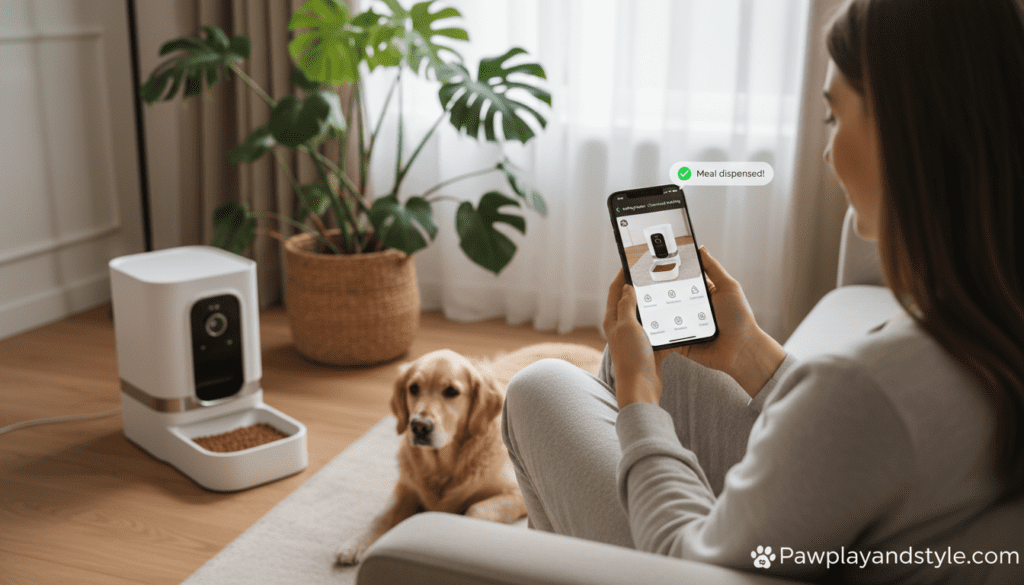
Remote app control is more than a convenience—it gives you visibility and control when you’re not physically present.
What a Good Feeder App Should Offer
Real-time notifications: Confirm meals were dispensed and eaten
Flexible scheduling: Adjust feeding times instantly without touching the feeder
Voice messages: Call your pet to the feeder or leave a calming audio cue
Pro tip:
Look for apps that support multiple users, allowing partners or family members to manage feeding schedules without overlap or confusion.
3. Slow-Feed Technology for Healthier Eating
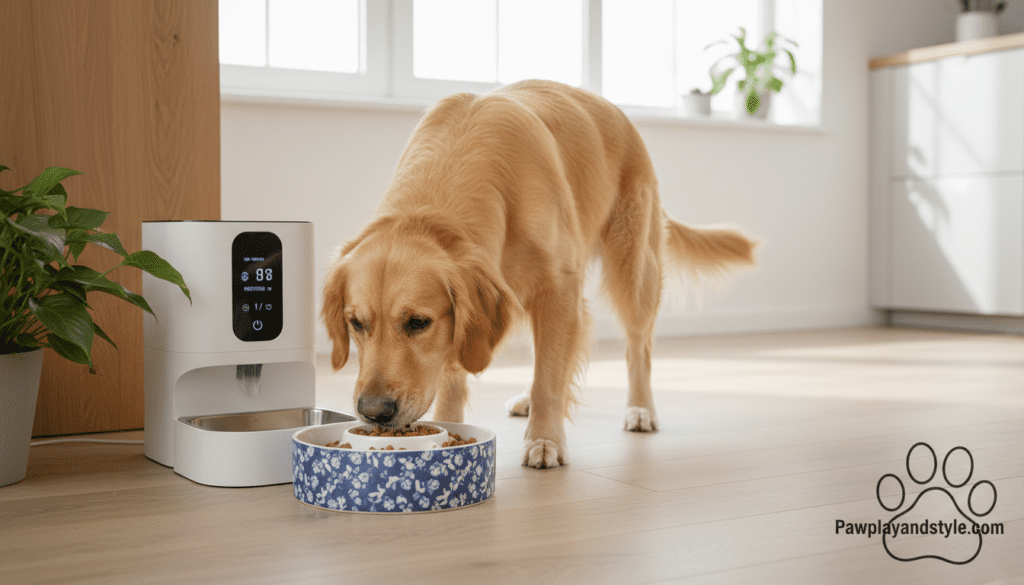
Eating too quickly is a common issue for dogs and some cats, often leading to vomiting, choking, or digestive discomfort.
Smart Slow-Feed Features
Maze-style bowls or adjustable outlets that slow intake naturally
Timed dispensing that releases food in intervals rather than all at once
These features reduce stress during meals and are especially useful for competitive eaters or anxious pets.
Pro tip:
Some pets dislike certain bowl shapes. Testing texture and design matters more than owners expect.
4. Safety Features That Prevent Feeding Failures
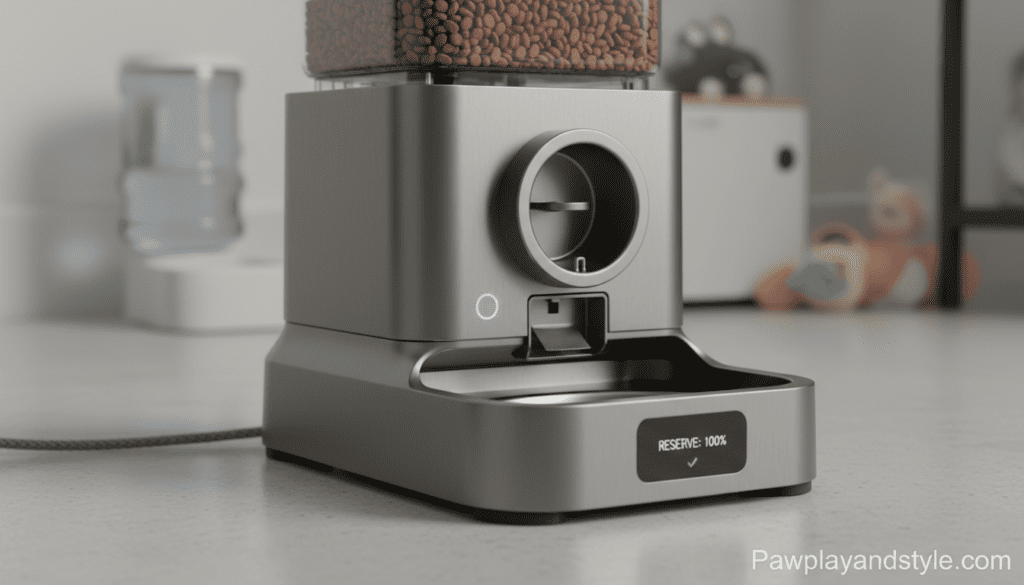
A smart feeder should never become a risk factor. Poor design can lead to jams, missed meals, or mechanical issues.
Must-Have Safety Features
Jam detection sensors that stop motors when food clogs occur
Battery backup to ensure meals during power outages
Food-safe materials: BPA-free plastics and stainless steel bowls reduce bacterial buildup
Pro tip:
Avoid feeders that rely entirely on Wi-Fi. A power or internet outage should not mean a missed meal.
5. Smart Home Integration (When It’s Actually Useful)
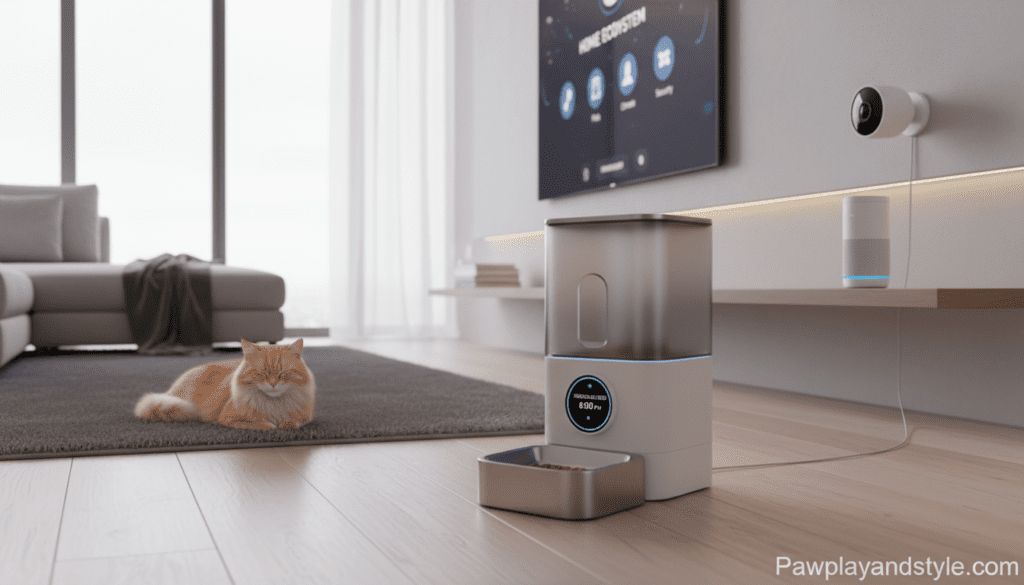
Integration with other smart devices can improve convenience—but only if it fits your lifestyle.
Useful Integrations Include
Voice assistants (Alexa, Google Home, Apple HomeKit) for hands-free feeding
Smart cameras to visually confirm feeding behaviour
Health-tracking apps that log meal data for weight or calorie monitoring
Pro tip:
Always check compatibility with your existing devices. Integration is helpful only when it works seamlessly.
6. Real-Life Usability: What Owners Notice After Weeks of Use
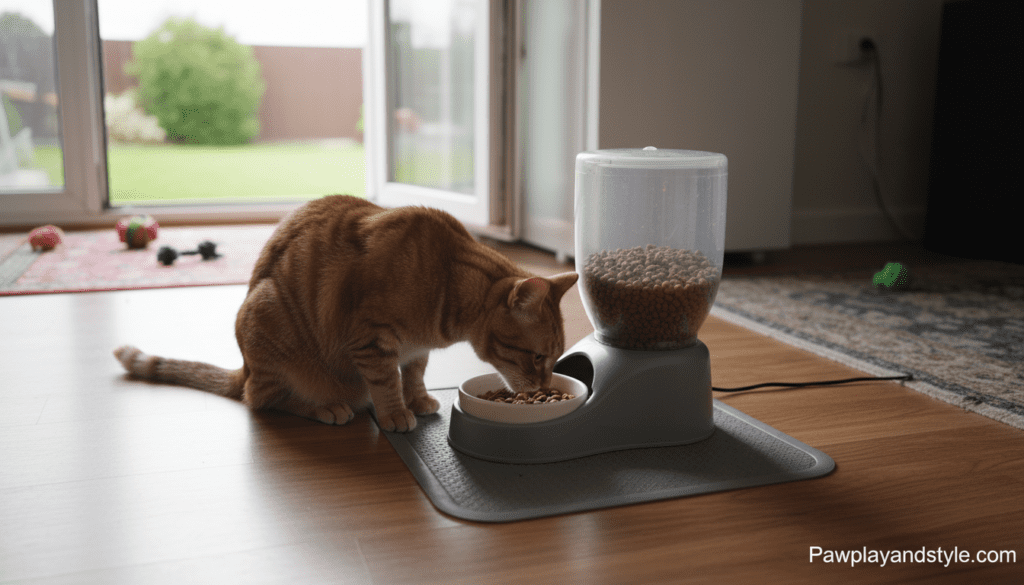
Specs look great on paper, but daily use reveals what truly matters.
Common Real-World Considerations
Noise levels: Loud motors can scare sensitive pets
Ease of cleaning: Dishwasher-safe bowls and simple disassembly prevent hygiene issues
Capacity vs freshness: Large reservoirs reduce refills but can cause food to go stale
Pro tip:
Choose a feeder that balances food capacity with how quickly your pet consumes meals.
How to Choose the Best Smart Feeder for Your Pet
Before buying, consider:
Your pet’s eating speed
Single-pet vs multi-pet household
Health or weight-management needs
How often you’re away from home
The best smart feeder isn’t the one with the most features—it’s the one that quietly supports your pet’s routine without complications.
Conclusion
In 2026, smart feeders are no longer about automation for its own sake. They’re about precision, reliability, and routine.
When you choose a feeder with accurate portion control, dependable safety features, and real-world usability, you’re investing in better health, reduced stress, and peace of mind—for both you and your pet.
Smart feeding isn’t about doing less. It’s about doing it right.