
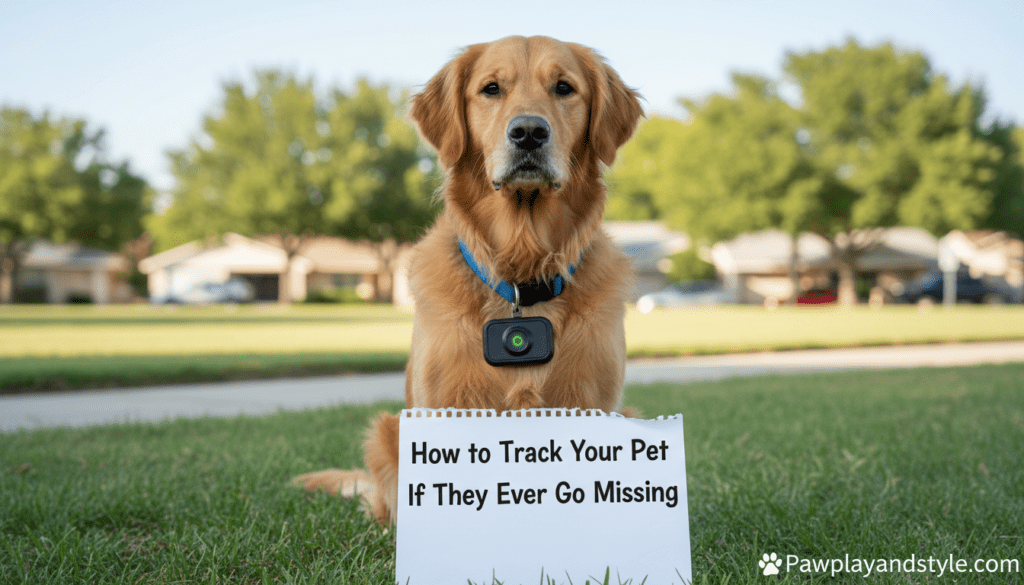
Few experiences are more frightening than realising your pet is missing. Whether it happens because of a slipped collar, an open gate, or a sudden loud noise, the panic is instant.
While no one wants to imagine losing their pet, preparation can make an enormous difference. Tracking technology has improved dramatically, and today’s solutions offer real peace of mind—without interfering with your pet’s comfort or daily routine.
Why Pets Go Missing More Often Than We Expect

Pets don’t leave because they want to run away. Most missing incidents happen during moments of stress, fear, or confusion.
Common triggers include:
Fireworks and thunderstorms
Loud or unfamiliar noises
Open doors, gates, or unsecured fences
New environments during travel or visits
Dogs may follow scents or wildlife, while cats may wander farther than usual and struggle to find their way back. Many owners never expect their pet to bolt, which is why tracking tools are most effective before something goes wrong.
Why Traditional ID Tags Are Important but Not Enough
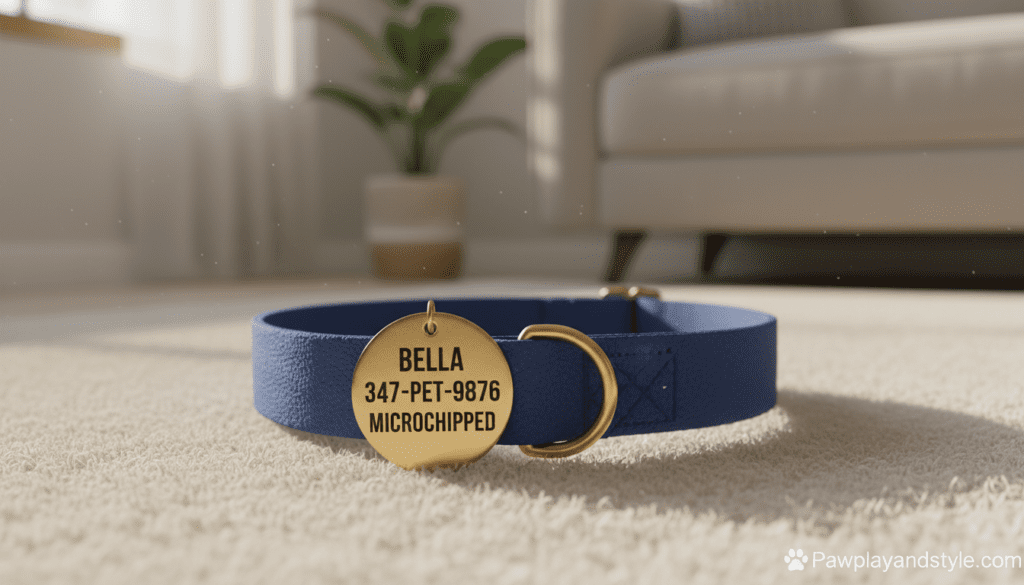
ID tags and microchips are still essential safety tools. Tags allow strangers to contact you quickly, and microchips are critical if your pet is taken to a vet or shelter.
However, neither option helps you actively locate your pet in real time. They rely on someone else finding your pet and taking action.
This gap is where modern tracking accessories provide an extra layer of protection.
GPS Trackers for Pets: Real-Time Location When It Matters
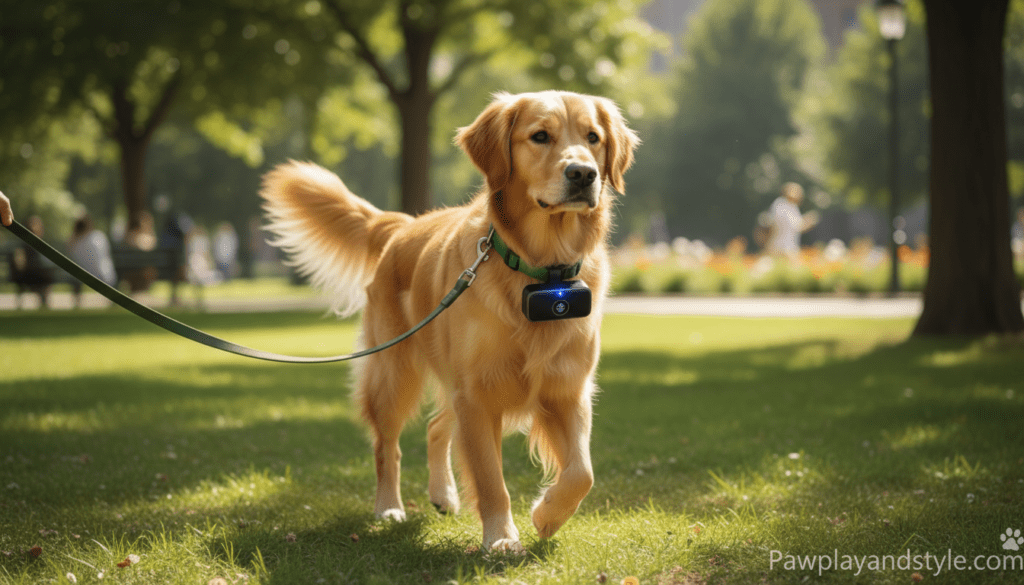
GPS pet trackers attach securely to collars or harnesses and allow you to see your pet’s location through a mobile app. Many models update in near real time and include helpful features such as:
Live location tracking
Safe zone or geofencing alerts
Location history
Activity monitoring
These trackers are particularly effective for dogs and outdoor cats, especially in suburban or rural areas. While they require charging and often a subscription, the reassurance they provide during emergencies is invaluable.
AirTag and Smart Tag Options: Simple and Lightweight

Smart tags such as AirTag-compatible pet holders have become popular due to their affordability and simplicity.
These devices use nearby phones and networks to update location information. They work best in urban or populated areas where many connected devices are present.
While they are not true GPS trackers and do not provide constant live updates, they are:
Lightweight and discreet
Easy to use
Useful as a secondary tracking option
Choosing the Right Tracking Option for Your Lifestyle

The best tracking solution depends on how your pet lives day to day.
Outdoor pets or frequent travellers: GPS trackers offer the most reliable coverage
Indoor pets or city environments: Smart tags can still provide valuable assistance
Extra peace of mind: Many owners choose to use both
Combining identification, microchipping, and tracking creates multiple layers of protection without adding stress to your pet.
Making Tracking Part of Everyday Life
The most effective tracking solution is one your pet wears comfortably every day.
When choosing a device, look for:
Lightweight and secure designs
Water-resistant materials
Comfortable collar or harness compatibility
Most importantly, set up and test the app, alerts, and tracking features before you need them. Familiarity during calm moments makes all the difference during stressful ones
Conclusion
Tracking your pet isn’t about expecting the worst. It’s about being prepared and knowing you’ve taken practical steps to protect someone who depends on you.
With the right tracking tools in place, you gain confidence, clarity, and precious time—if your pet ever needs it.
Preparation doesn’t mean panic. It means peace of mind.