
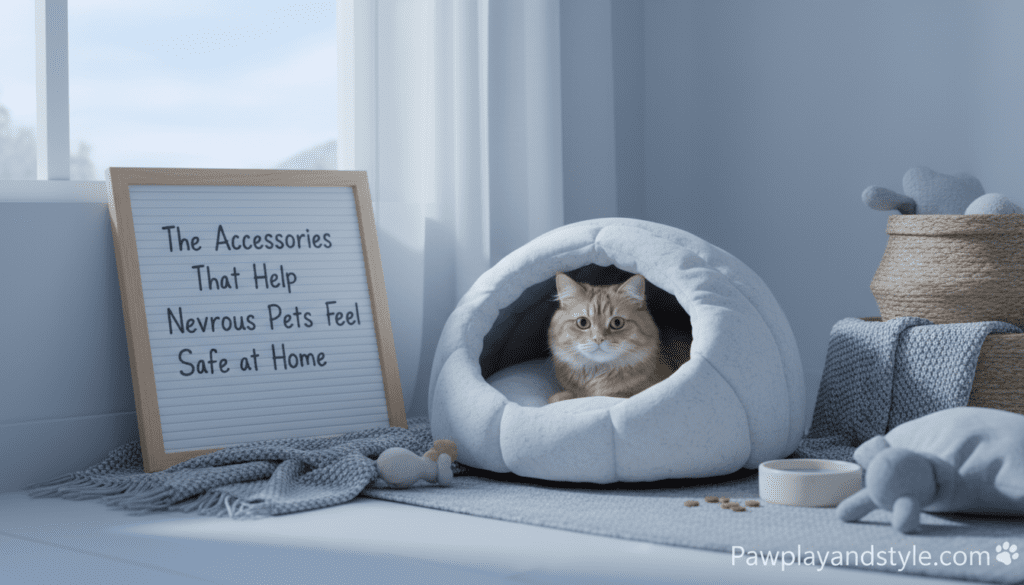
Not every pet feels calm and confident at home. Some jump at sudden noises, hide when visitors arrive, or follow their owners from room to room without ever fully settling. These behaviours are more common than many pet owners realise.
In most cases, nervous behaviour has less to do with poor training and more to do with a pet’s environment. Pets rely heavily on routine, scent, and familiarity to feel secure. When those elements are disrupted, anxiety often follows.
The good news is that creating a sense of safety at home doesn’t always require training or medication. The right accessories can make a significant difference in how relaxed and confident a nervous pet feels.
Why Some Pets Feel Anxious Indoors
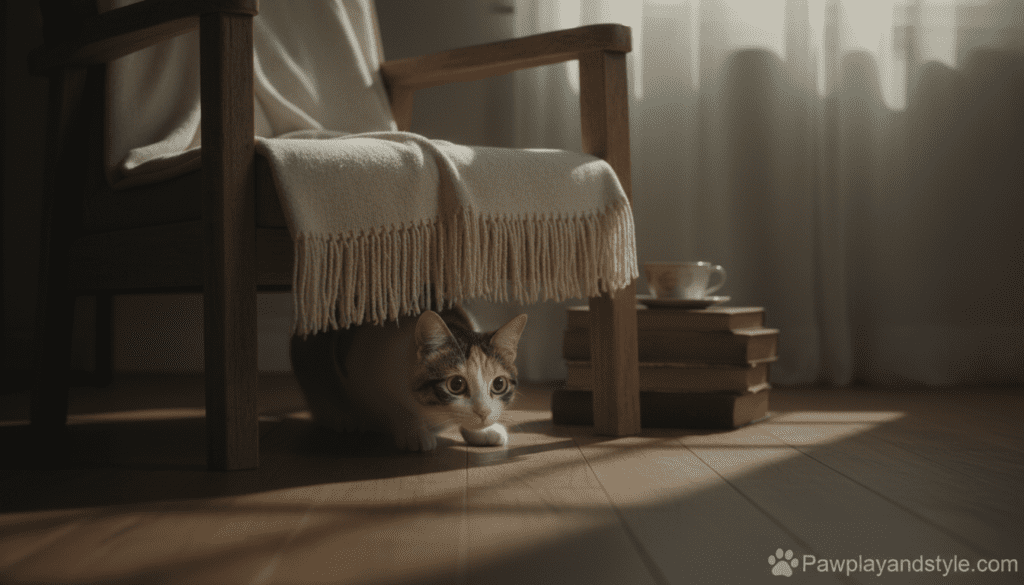
Pets experience their environment through heightened senses. Sounds, smells, and visual changes that seem minor to humans can feel overwhelming to them.
Common triggers for indoor anxiety include:
-
Moving to a new home
-
New family members or other pets
-
Loud neighbourhood noises or construction
-
Rearranged furniture or unfamiliar objects
Some pets are naturally more sensitive, particularly rescues or animals that missed early socialisation. Anxiety may appear as pacing, hiding, excessive barking, destructive behaviour, or constant need for reassurance.
Understanding that anxiety is often environmental—not behavioural—is the first step toward helping your pet feel safe.
Safe Spaces That Provide Comfort and Control
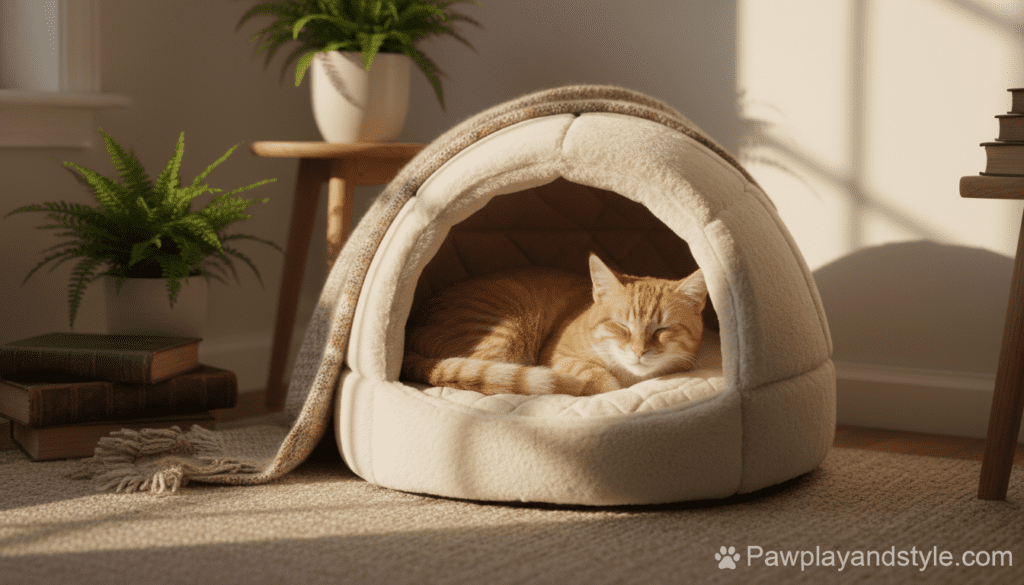
One of the most effective ways to support a nervous pet is by creating a designated safe space. This gives them somewhere to retreat when they feel overstimulated or overwhelmed.
Why Enclosed Spaces Help
Covered beds, soft crates, and enclosed loungers create a den-like environment that feels protective rather than isolating. These spaces help reduce visual stimulation and provide a sense of control.
For best results:
-
Place calm zones away from high-traffic areas
-
Keep lighting soft and consistent
-
Avoid sudden disturbances near the space
Affiliate-friendly accessories include: calming beds, covered pet loungers, and soft-sided indoor crates.
Calming Scents and Sensory Support
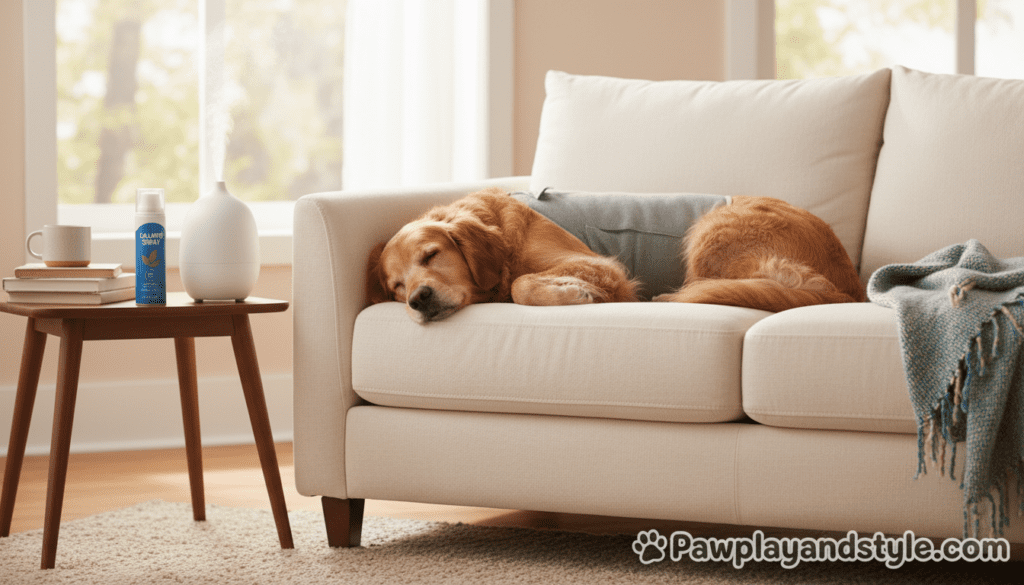
Scent plays a powerful role in emotional regulation for animals. Certain calming products mimic natural signals that help pets feel safe and relaxed.
Pheromones and Pressure-Based Comfort
Pheromone diffusers and sprays release synthetic versions of calming signals pets naturally produce, helping reduce anxiety without sedation.
Anxiety wraps and weighted accessories apply gentle, even pressure to the body. For many pets, this pressure provides reassurance and reduces restlessness during stressful moments such as storms, fireworks, or unfamiliar visitors.
Affiliate products to consider: pheromone diffusers, calming sprays, anxiety wraps, and weighted calming accessories.
Noise Reduction and Predictable Sound Environments
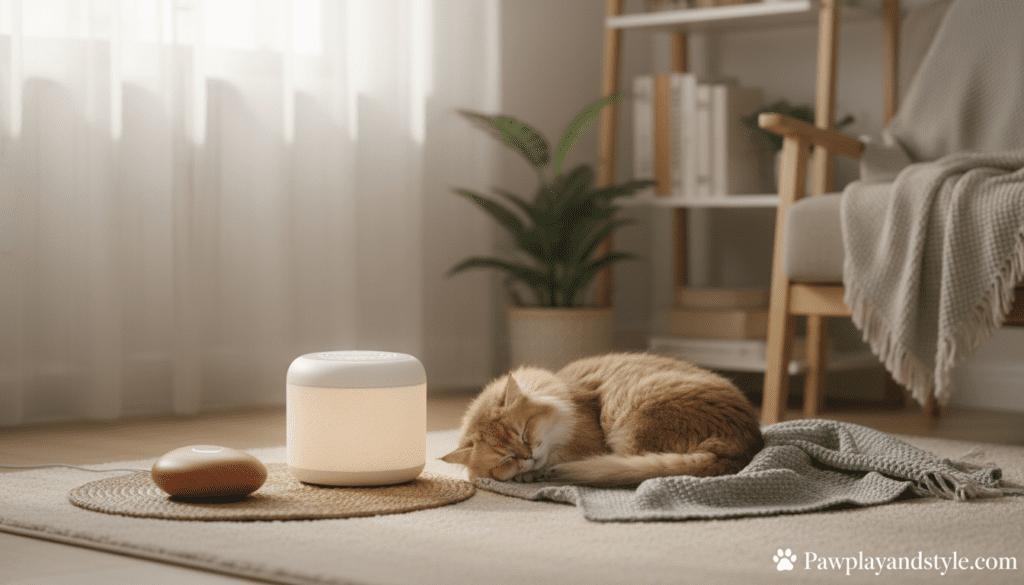
Sudden or unpredictable noises are one of the biggest triggers for nervous pets. Traffic sounds, neighbours, or household appliances can quickly disrupt their sense of safety.
Creating Consistent Sound Cues
White noise machines or soft background sounds help mask disruptive noises and create a more predictable environment. When used consistently, these sounds become a cue for rest and relaxation.
Turning on calming audio at the same times each day—such as during naps or bedtime—helps pets associate sound with safety and routine.
Affiliate-friendly options include: white noise machines and pet-safe sound devices designed for continuous use.
Why Small Environmental Changes Matter
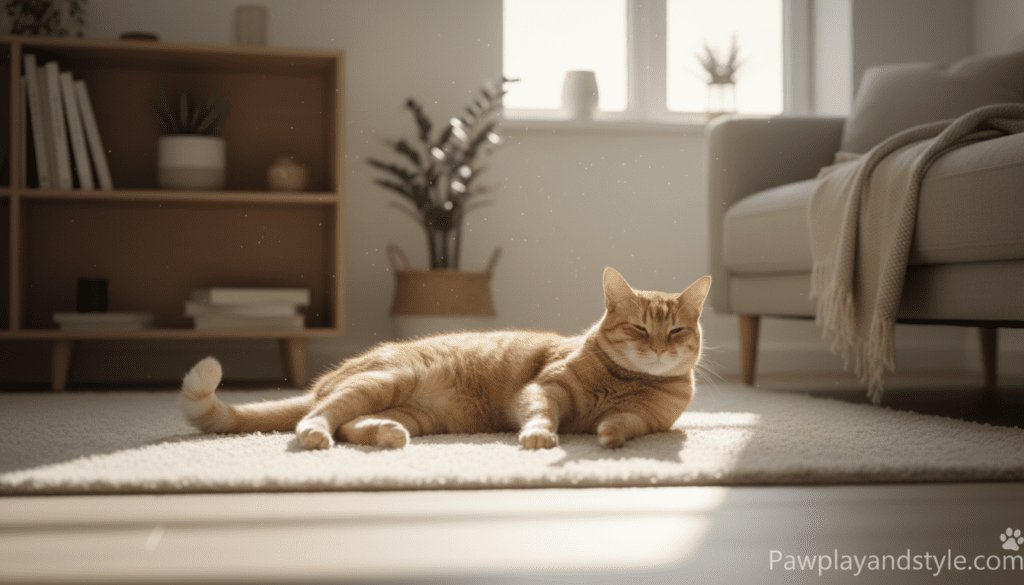
Many pet owners assume anxiety requires intensive training or medication. While those tools have their place, simple environmental adjustments often lead to noticeable improvements.
When pets feel physically comfortable, protected from overstimulation, and surrounded by familiar calming cues, their confidence naturally increases.
Small changes—like adding a covered bed or reducing noise—can have a surprisingly large impact on daily behaviour.
Conclusion
A calm, secure home environment is essential for a pet’s emotional wellbeing. Nervous behaviour is not a flaw—it’s a signal that your pet needs reassurance, consistency, and comfort.
By introducing supportive accessories such as safe spaces, calming scents, pressure-based tools, and noise-reducing solutions, you can help your pet feel more relaxed and confident at home.
When pets feel safe in their environment, their behaviour improves—and so does their quality of life.