

You tuck your pet in, turn off the lights, and finally settle into bed—hoping for a peaceful night’s sleep. Just as you begin to drift off, it happens again. Scratching at the door, pacing across the room, soft whining, or a cold nose nudging your arm.
Night after night, your sleep gets interrupted, and you start wondering: Why does this keep happening? Am I doing something wrong?
The truth is, nighttime disturbances are incredibly common among pets. In most cases, they are not acts of disobedience or bad behavior. Instead, they are signals—your pet is trying to communicate an unmet physical or emotional need.
Understanding why your pet wakes up at night is the first step toward helping both of you sleep better.
Common Reasons Pets Wake Up at Night
Pets experience the world very differently from humans. Their senses are sharper, their sleep cycles are shorter, and their routines play a much bigger role in how safe and relaxed they feel.
Some of the most common reasons pets wake up at night include:
-
Anxiety or insecurity
-
Boredom or lack of mental stimulation
-
Physical discomfort or joint pain
-
Needing to use the bathroom more frequently
-
Sensitivity to sounds, light, or environmental changes
Even small disruptions—like a change in your work schedule or rearranging furniture—can affect a pet’s sense of nighttime security.
Once you identify the underlying cause, finding a solution becomes much easier.
Anxiety and Nighttime Restlessness

Anxiety doesn’t always disappear when the lights go out. In fact, some pets become more alert at night when their surroundings are quieter and darker.
Pets that are sensitive to outside noises, shadows, or separation from their owners may struggle to settle. This is especially common in rescue pets or animals with a history of stress.
Creating a calming sleep environment can make a noticeable difference. Tools that release soothing pheromones or apply gentle, comforting pressure help many anxious pets feel safe enough to relax.
Helpful calming products may include:
-
Calming collars
-
Anxiety wraps or compression vests
-
Pet-safe pheromone diffusers
Comfort Matters More Than You Think

If your pet constantly changes sleeping positions, leaves their bed, or climbs into yours during the night, discomfort may be the real issue.
Hard or unsupportive sleeping surfaces can cause restlessness—especially for older pets, large breeds, or animals with joint problems. Even younger pets may struggle to sleep well without proper cushioning.
Supportive bedding designed for pets can dramatically improve sleep quality. Gentle warmth can also help relax muscles and reduce stiffness.
Comfort-focused products to consider:
-
Orthopedic pet beds
-
Heated pet mats designed for safe overnight use
-
Soft, calming blankets
When pets are physically comfortable, they are far less likely to wake up and wander during the night.
Light and Sound Disruptions
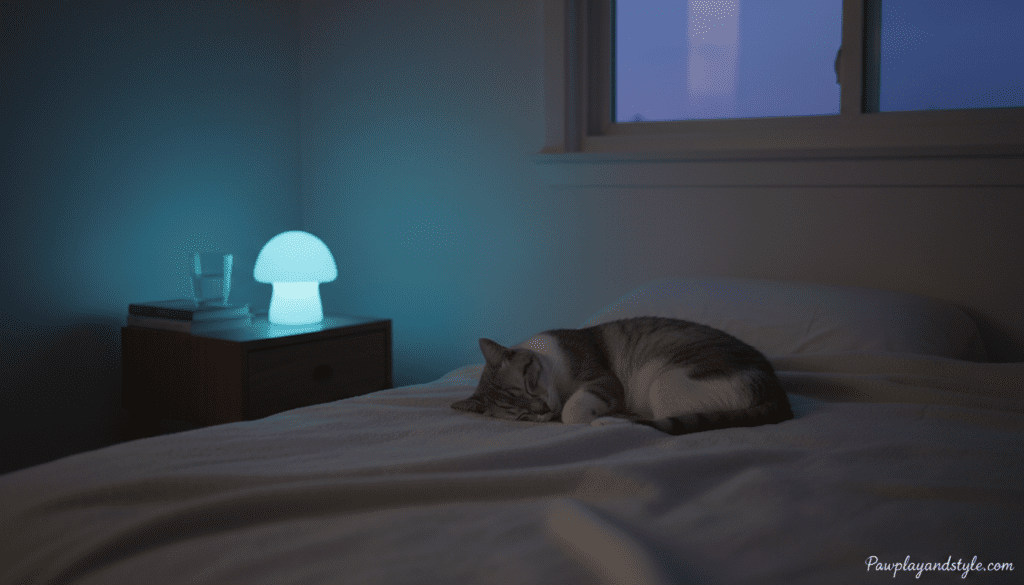
Pets often hear and notice things that humans barely register. Passing cars, distant voices, or household appliances can instantly pull them out of sleep.
Complete darkness can also heighten anxiety for some animals, making unfamiliar sounds feel more threatening.
A consistent nighttime environment helps signal that it’s safe to rest.
Simple tools that can help include:
-
Soft, pet-safe night lights
-
White noise or sound machines
These reduce sudden sensory changes and create a predictable atmosphere that encourages deeper sleep.
Creating a Better Bedtime Routine for Your Pet

Just like humans, pets benefit from a consistent bedtime routine.
A few small changes can make a big difference:
-
Provide gentle exercise earlier in the evening to release excess energy
-
Avoid intense play or large meals right before bedtime
-
Keep bedtime activities calm and predictable
-
Introduce new sleep accessories gradually
Pay close attention to how your pet responds. Often, one or two small adjustments are enough to significantly reduce nighttime disruptions.
Conclusion: Better Sleep for You and Your Pet
If your pet keeps waking you up at night, it’s not a failure on your part—and it’s not bad behavior on theirs. It’s communication.
By addressing anxiety, improving comfort, reducing environmental disturbances, and establishing a consistent bedtime routine, you can help your pet feel secure and relaxed through the night.
When your pet sleeps better, you sleep better too—and that leads to a healthier, happier relationship for both of you.