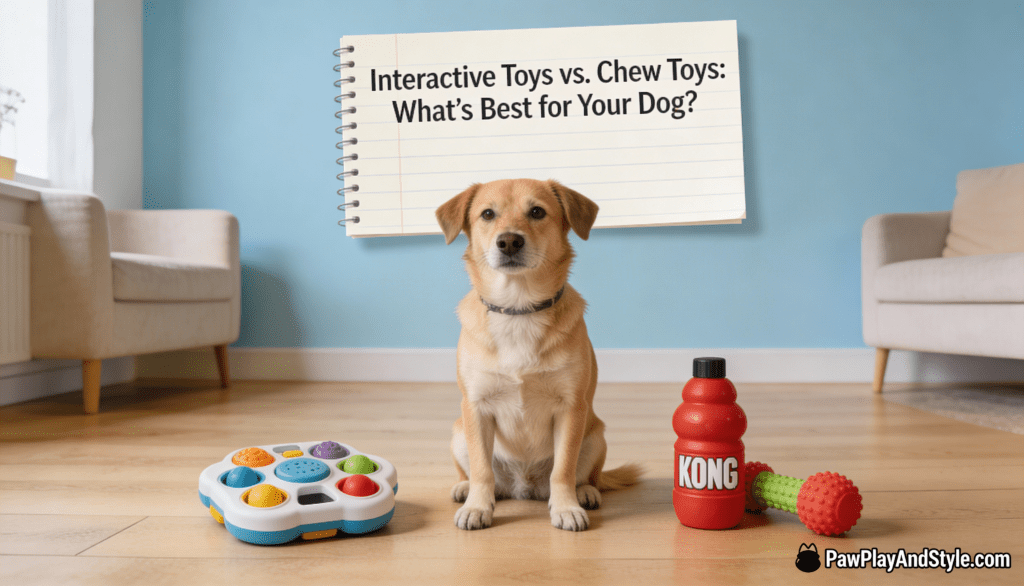
Toys are more than entertainment for dogs—they play a major role in shaping your dog’s physical development, mental growth, emotional balance, and daily behavior. From preventing destructive habits to providing comfort, toys can change how dogs interact with their environment. With so many types of toys available, two categories stand out the most: interactive toys and chew toys.
Each serves a unique purpose, and understanding their benefits helps you make better decisions for your dog’s overall well-being. Below is a detailed comparison to guide you toward choosing the right type—or combination—of toys for your furry companion.
What Are Interactive Toys?
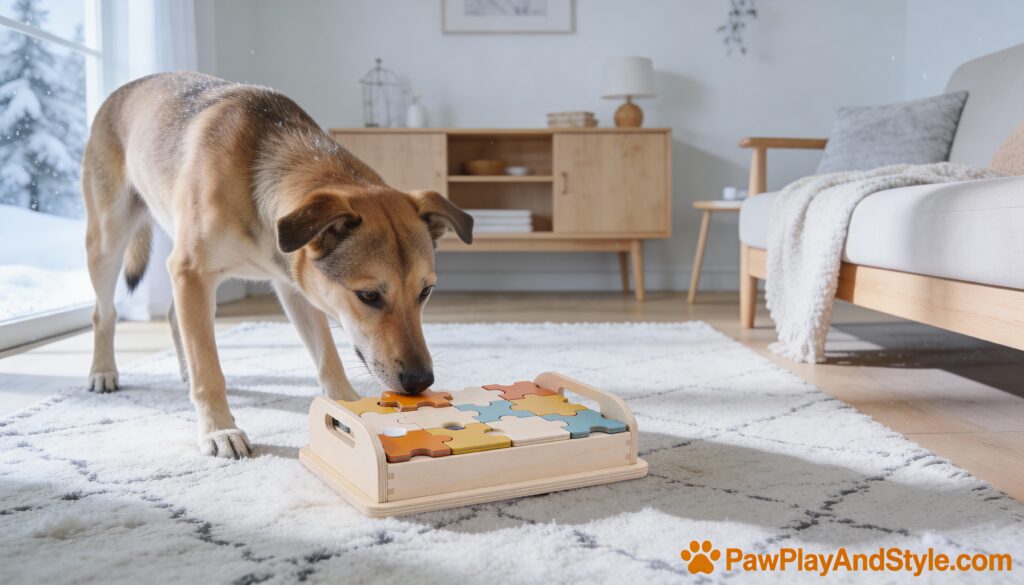
Interactive toys are specifically designed to stimulate your dog’s mind and encourage active engagement. They require your dog to think, solve problems, and sometimes even collaborate with you.
How They Work
These toys often involve treat-dispensing challenges, puzzles, tugging, or movement-based activities that keep dogs mentally alert and physically active.
Examples of Interactive Toys
• Puzzle toys
• Treat balls
• Tug toys
• Interactive fetch toys
Recommended Toys
United States: Nina Ottosson Dog Puzzle Toy
Australia: Petbarn Puzzle Toys
United States: Wobble Wag Giggle Ball
Australia: Petbarn Interactive Toys
Benefits of Interactive Toys
• Provides strong mental stimulation
• Reduces boredom and destructive habits
• Encourages problem-solving and strategic thinking
• Helps build a stronger bond between dog and owner
• Perfect for intelligent, energetic, or easily bored dogs
Interactive toys are especially helpful for dogs that require extra mental challenges or exhibit signs of stress, anxiety, or restlessness.
What Are Chew Toys?
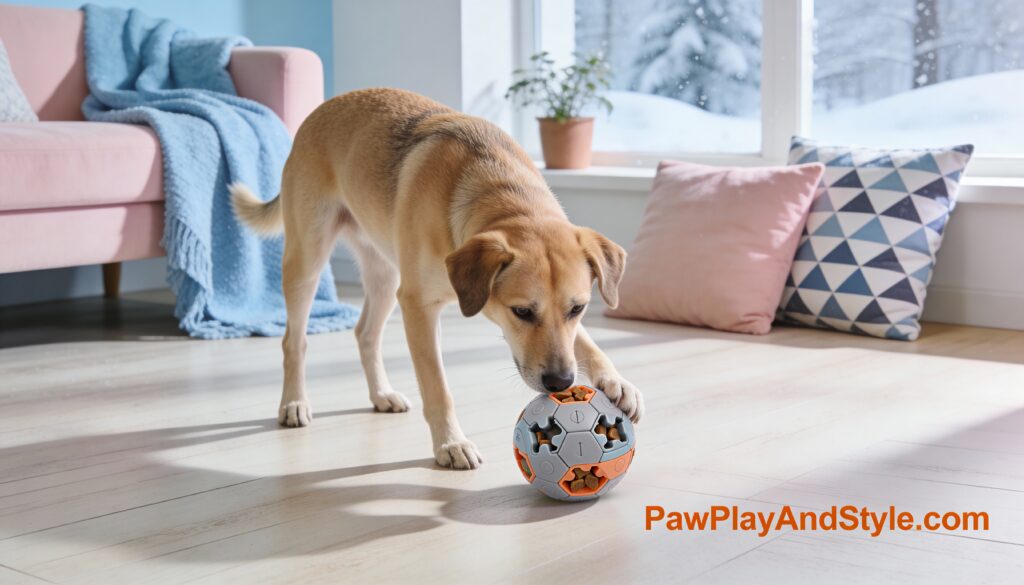
Chew toys are meant to satisfy your dog’s natural instinct to chew, a behavior that starts in puppyhood and continues throughout life.
How They Work
These toys are made from durable materials like rubber, nylon, or tough fabric. They help dogs release energy, soothe teething discomfort, and maintain oral hygiene.
Examples of Chew Toys
• KONG toys
• Rubber bones
• Durable textured toys
Recommended Toys
United States: KONG Classic Dog Toy
Australia: Petbarn KONG Dog Toys
Benefits of Chew Toys
• Supports dental health by reducing plaque buildup
• Provides a safe and controlled outlet for chewing
• Helps reduce anxiety by offering calming chewing action
• Prevents destructive chewing on shoes, furniture, and household items
• Great for teething puppies and persistent chewers
Chew toys are ideal for dogs that love to gnaw, need comfort, or require a healthy way to relieve stress.
Interactive Toys vs. Chew Toys: Key Differences
| Feature | Interactive Toys | Chew Toys |
|---|---|---|
| Mental stimulation | High | Low to moderate |
| Physical activity | Moderate | Moderate to high |
| Longevity | Depends on type and usage | Usually very durable |
| Ideal for | Smart, active, or easily bored dogs | Teething puppies, heavy chewers |
| Owner involvement | Often needed | Mostly solo play |
Summary of Differences
Interactive toys keep your dog thinking and moving, while chew toys keep your dog calm, comforted, and occupied. Both types address different needs that contribute to a well-balanced lifestyle.
Which Should You Choose?
Choose Interactive Toys If:
• Your dog gets bored easily
• Your dog needs more mental exercise
• You want to strengthen training and bonding
• Your dog shows signs of anxiety or stress indoors
Choose Chew Toys If:
• Your dog loves to chew constantly
• You want to improve dental hygiene
• Your puppy is teething
• Your dog tends to chew on furniture or shoes
Best Approach: Use Both
A combination of chew toys and interactive toys is often the most effective strategy. Your dog gets mental enrichment during interactive play and relaxation or stress relief during chew sessions. This helps build a healthy routine with balanced stimulation.
Tips for Using Both Toy Types
• Rotate toys regularly to keep your dog interested
• Always supervise new toys to ensure they are being used safely
• Match toy size to your dog’s breed, jaw strength, and play style
• Use interactive toys during active bonding time
• Offer chew toys during downtime, after walks, or before rest
Combining both toy types helps support physical health, emotional balance, and positive behavior patterns.
Conclusion
Interactive toys and chew toys both serve valuable purposes in your dog’s life. Interactive toys keep your dog mentally challenged and engaged, while chew toys satisfy instinctual chewing needs and support dental health. When used together, they create a balanced enrichment routine that helps your dog stay happy, healthy, calm, and well-behaved.
By offering a mix of both toy styles—and rotating them regularly you ensure your dog enjoys a fulfilling and stimulating environment every day.