
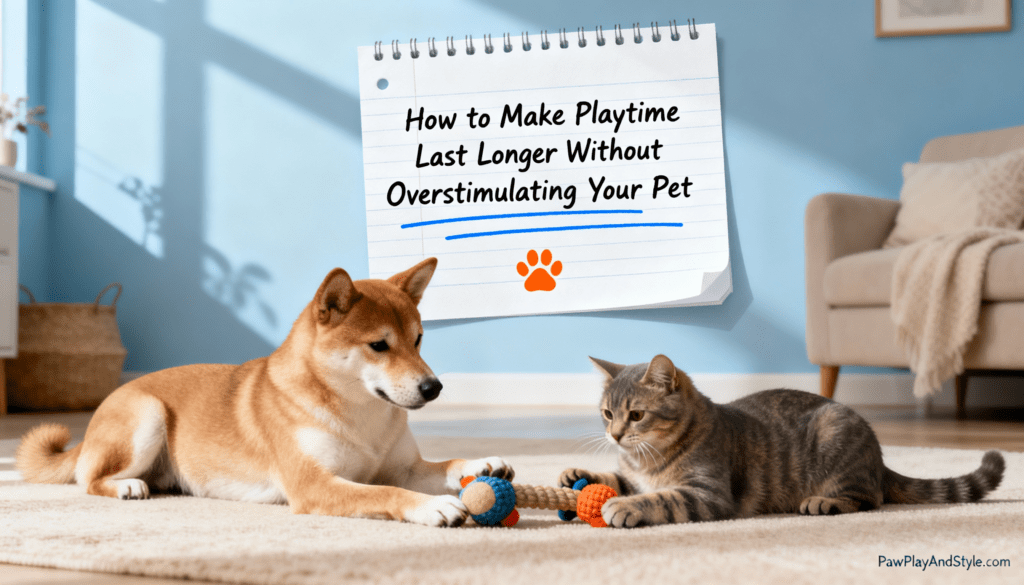
Playtime is an essential part of your pet’s daily life. It keeps them physically active, mentally alert, and emotionally satisfied. However, when play becomes too intense or continues for too long without proper pacing, pets may become overstimulated. This can lead to stress, unwanted behavior, or even accidental injury. Understanding how to structure play sessions in a calm and controlled way allows your pet to enjoy longer, safer, and more balanced playtime. The following guide provides effective methods for both dogs and cats to help extend play sessions without overwhelming them.
1. Understand Your Pet’s Play Style
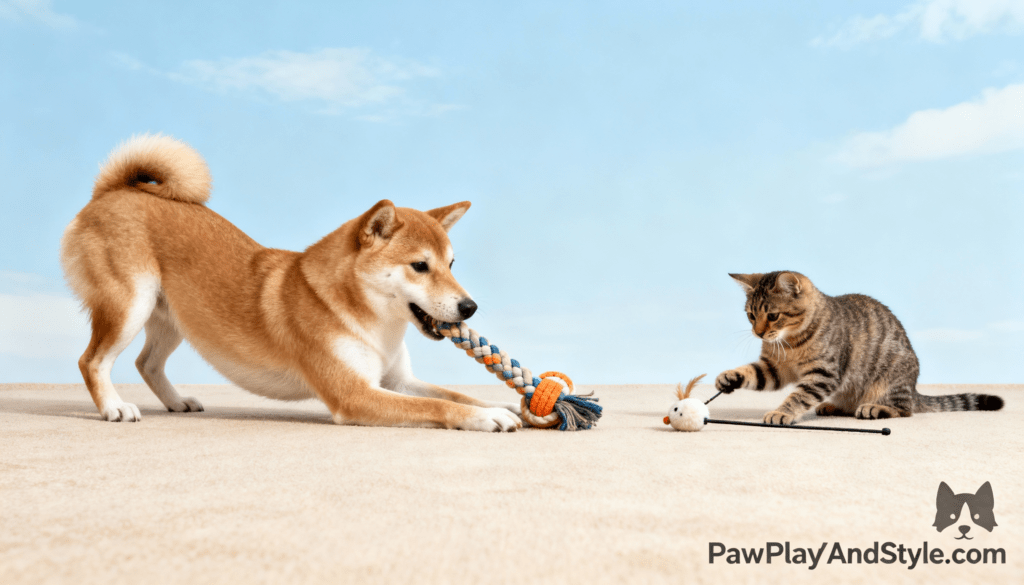
Every pet has a unique personality, energy level, and natural play preference. Learning your pet’s individual style helps you choose the right toys and activities to keep them engaged without causing overstimulation.
Dogs
Some dogs enjoy chasing fast moving toys, while others prefer tugging, retrieving, or chewing. High energy dogs may need more active play, while calmer dogs enjoy slower paced interaction.
Cats
Cats may fall into categories such as stalkers, hunters, batters, or cuddlers. A playful cat may chase a wand toy enthusiastically, while a relaxed cat may prefer gentle batting or slow movement.
Observing your pet’s behavior helps you tailor each session to match their comfort level. A toy that excites one pet may overwhelm another, so understanding their style is the first step to balanced playtime.
2. Break Playtime Into Shorter Sessions
Long, uninterrupted play can quickly tire pets or push them beyond their comfort zone. Instead, break the session into several shorter, manageable segments.
Dogs
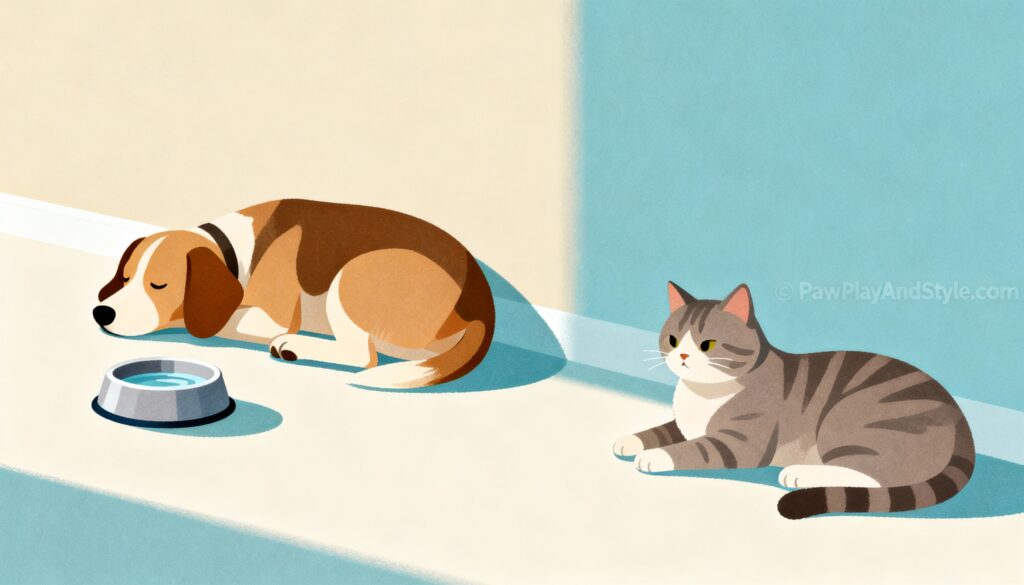
Aim for 10 to 15 minutes of active play followed by a brief break. This rest time allows dogs to cool down, drink water, and reset their energy levels.
Cats
Cats generally respond better to shorter bursts of 5 to 10 minutes. A pause between sessions prevents them from becoming overstimulated or frustrated.
Shorter sessions spread throughout the day keep pets excited and engaged while preventing fatigue and stress.
3. Rotate Toys to Maintain Interest
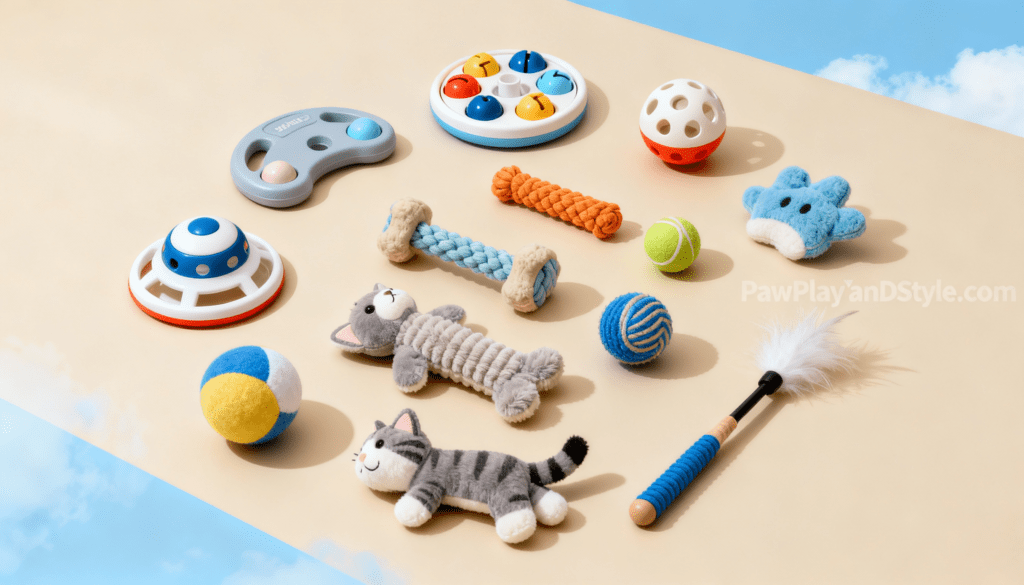
Pets quickly lose interest in toys they see every day. Rotating toys introduces novelty, which naturally prolongs playtime.
Pets quickly lose interest in toys they see every day. Rotating toys introduces novelty, which naturally prolongs playtime.
Use a mixture of puzzle toys, treat releasing toys, balls, plush toys, and wand toys. Store some toys away and reintroduce them later so they feel new again. This simple method keeps curiosity high and prevents boredom.
Suggested Toys
United States: KONG Classic Dog Toy
Australia: Petbarn KONG Dog Toys
United States: Da Bird Feather Wand
Australia: Petbarn Da Bird Feather Wand
This rotation strategy helps your pet stay mentally engaged, which extends the overall play experience.
4. Introduce Slow Play Techniques
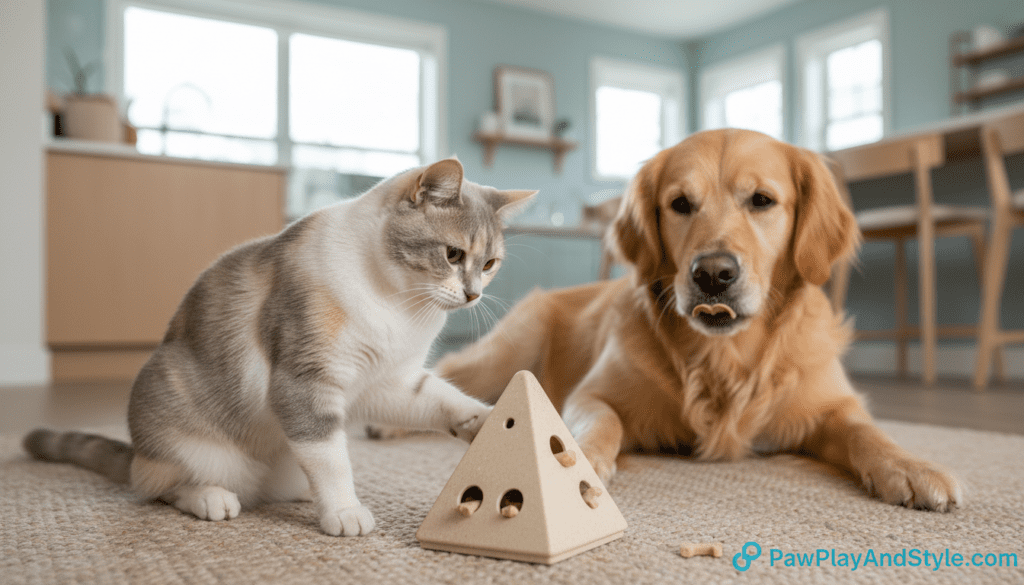
Slow and controlled play encourages calm thinking while still keeping pets entertained.
Treat Dispensing Toys
These toys allow pets to work gradually for rewards, promoting focused behavior instead of frantic excitement.
Puzzle Toys
Puzzle toys stimulate the mind and help pets problem solve, allowing them to stay engaged longer without exhausting themselves physically.
Controlled Fetch
Throwing toys over shorter distances or rolling them gently creates a more controlled chase that avoids overstimulating energetic pets.
Slow play strengthens patience, confidence, and mental skills while extending activity time.
5. Use Positive Reinforcement
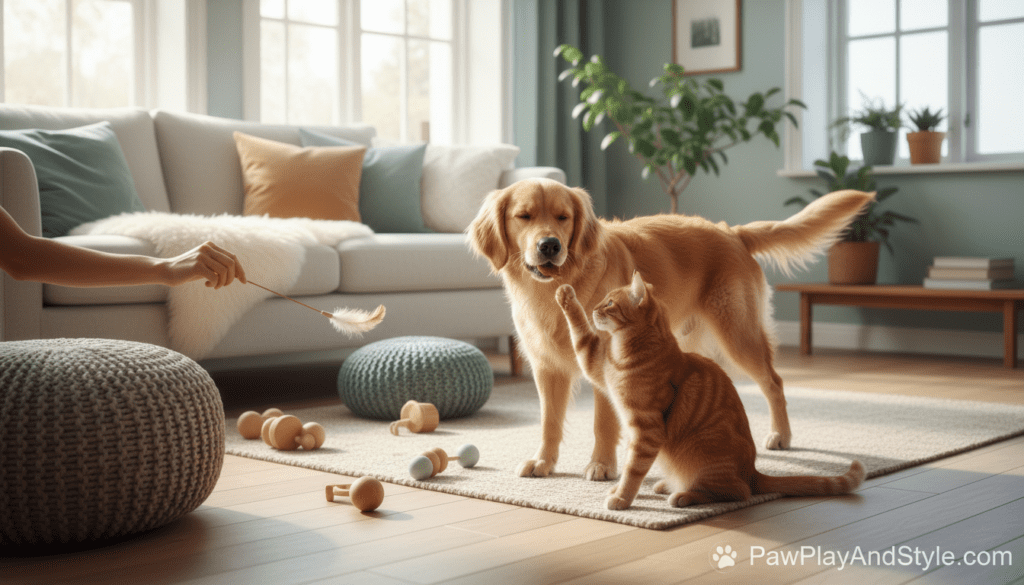
Positive reinforcement encourages pets to maintain calm and controlled behavior during play.
Reward your pet with praise, gentle petting, or small treats when they interact appropriately with toys. Avoid reacting excitedly to overly energetic behavior, as this can unintentionally reinforce overstimulation.
Teaching pets to play calmly helps create longer and more enjoyable sessions.
6. Monitor Body Language
Pets communicate their comfort and stress levels through subtle signals. Recognizing these signs allows you to stop play before overstimulation occurs.
Signs in Dogs
Heavy panting, pacing, clinging behavior, sudden hyperactivity, or nipping.
Signs in Cats
Whipping tail, wide pupils, fast swatting, flattened ears, or stiff posture.
If you notice any of these behaviors, pause play immediately. Allow your pet to relax before continuing. This not only prevents overstimulation but also helps your pet feel safe and understood.
7. Alternate Physical and Mental Play
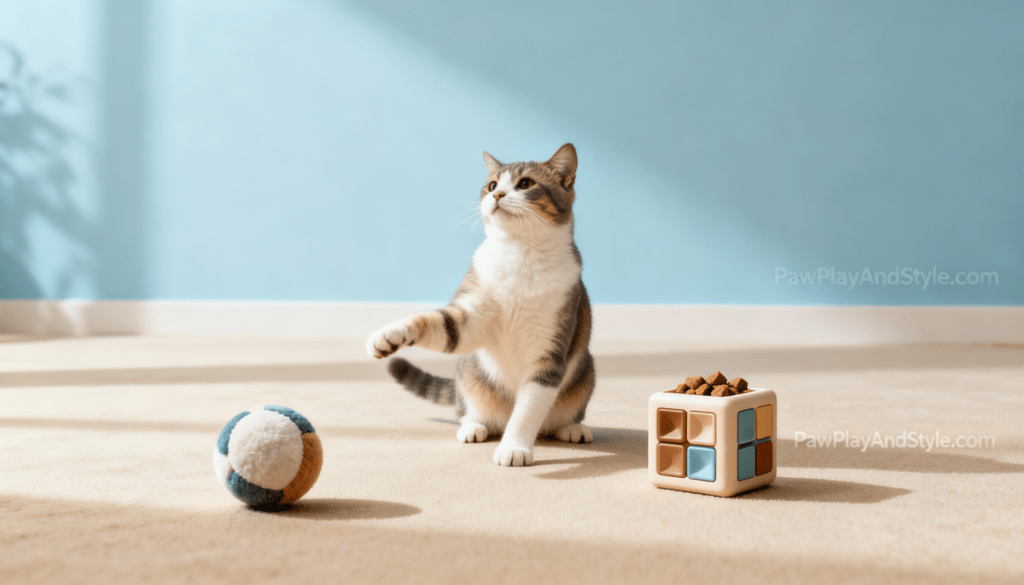
Balancing physical activity with mental challenges helps pets remain engaged for longer periods without draining their energy.
Physical Play
Fetch, chase games, tug games, and light laser activities provide exercise and excitement.
Mental Play
Puzzle feeders, scent searching games, slow treat challenges, and gentle interactive toys help your pet focus and think.
Combining both types of play allows pets to stay active without becoming overwhelmed.
8. Make Play a Routine
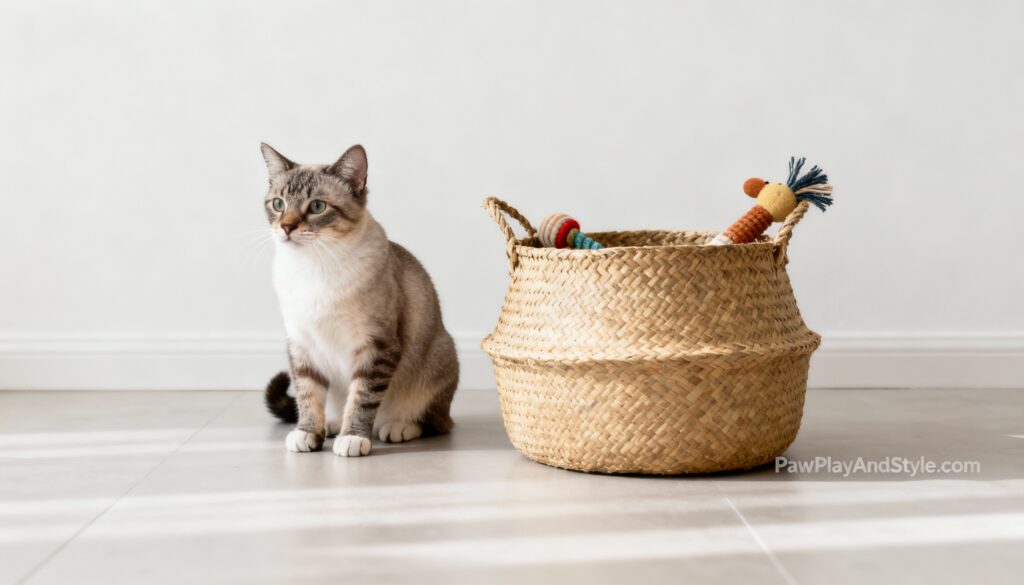
Pets thrive when they know what to expect. Scheduling play sessions at consistent times builds a healthy routine that prevents sudden bursts of uncontrolled excitement.
A steady routine reduces stress, stabilizes energy levels, and makes playtime more enjoyable for both you and your pet.
9. Include Cool Down Time
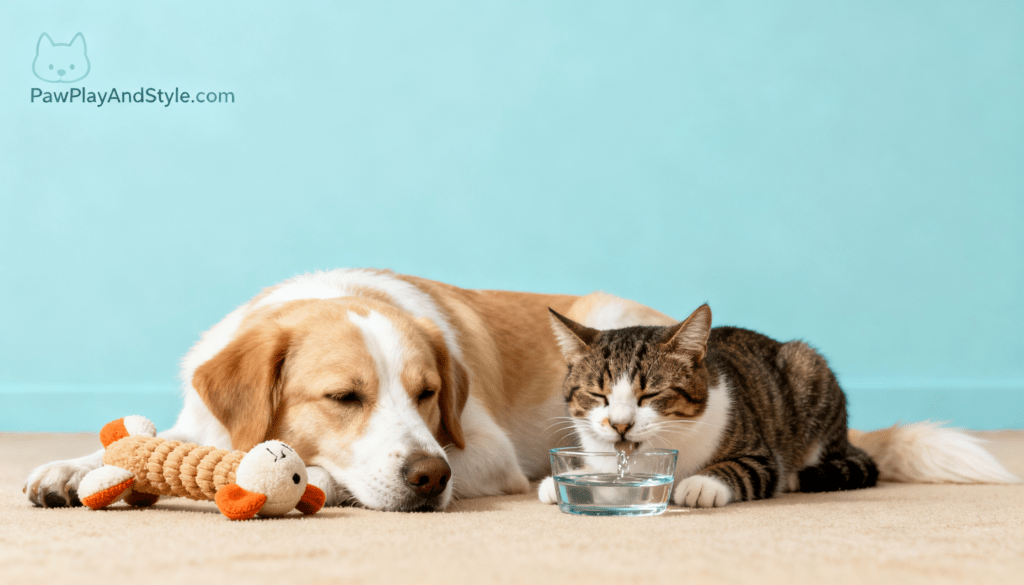
Ending each play session with calm activities helps pets transition smoothly from excitement to relaxation.
Offer water, gentle petting, and a comfortable place to lie down. Provide a soft toy or chew toy to encourage peaceful downtime. This cool down period helps protect your pet’s physical and emotional well being.
Conclusion
Making playtime last longer is not about pushing your pet to play harder. It is about finding the right balance between activity, rest, mental challenges, and controlled excitement. By pacing play, rotating toys, using slow play techniques, watching for signs of overstimulation, and creating a daily routine, you can help your pet enjoy longer, safer, and more meaningful play sessions. With thoughtful guidance, your furry friend will stay happy, healthy, and mentally stimulated.