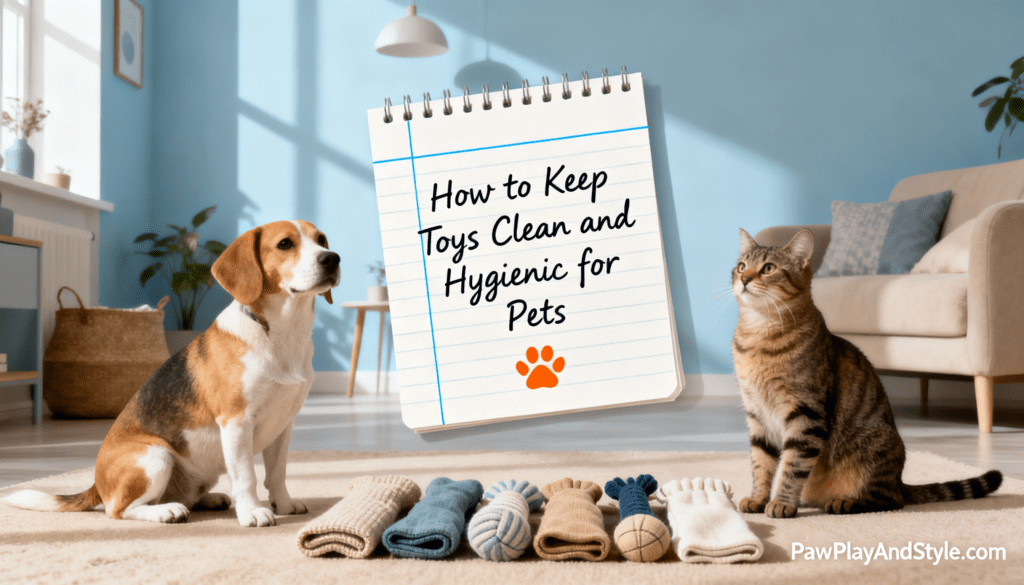
Toys play an important role in keeping your pets physically active, mentally stimulated, and emotionally satisfied. However, these toys can easily accumulate bacteria, dirt, saliva, and allergens if they are not cleaned regularly. Dirty toys may cause infections, digestive upset, or unpleasant smells inside your home. To ensure that your pets stay healthy and that their toys remain safe and enjoyable, it is essential to follow proper cleaning and hygiene routines. This guide explains how to keep your pet’s toys clean, fresh, and long lasting.
1. Sort Your Toys by Material
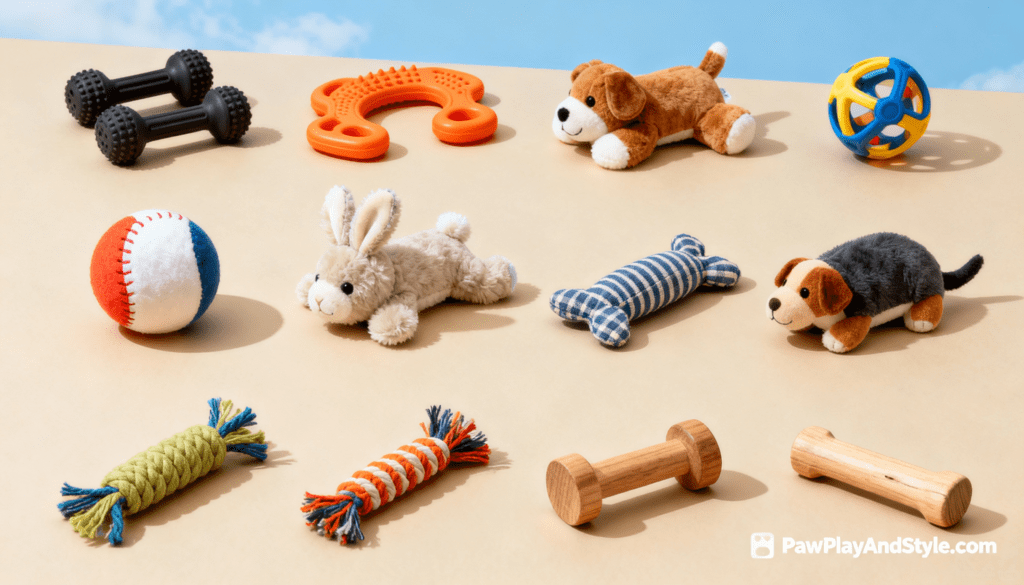
Each type of toy requires its own cleaning method. Sorting toys before washing helps protect them and ensures you use the correct technique for each material.
Rubber or Plastic Toys
These toys are usually strong, durable, and often safe to clean in a dishwasher. They can be thoroughly sanitized without losing shape or quality.
Plush or Fabric Toys
Fabric toys tend to absorb saliva, dirt, and pet dander. Many of them can be washed in a machine, although delicate toys may need gentle hand washing to avoid damage.
Wood or Natural Toys
Wooden items should not be soaked because they can swell or crack. They should be cleaned using mild soap and a damp cloth only.
Tip: Always check the cleaning guidelines from the manufacturer before washing any toy to avoid damage and ensure safety.
2. Wash Toys Regularly
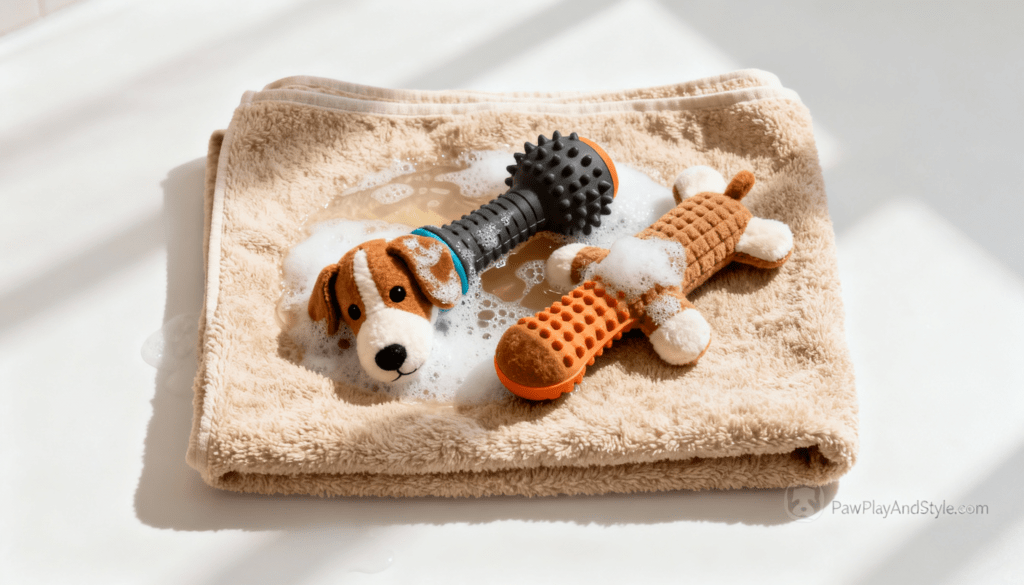
Regular washing keeps toys free from bacteria and residue while maintaining freshness.
Rubber and Plastic Toys
Wash these toys with warm water and mild soap. Scrub all surfaces carefully to remove dirt and dried saliva. After washing, rinse thoroughly to ensure no soap remains. Some rubber toys may even be boiled for a few minutes if allowed by the manufacturer. Dishwasher safe toys can be cleaned in the top rack for convenience and sanitation.
Plush and Fabric Toys
Machine washing is usually the easiest method. Place toys inside a mesh laundry bag and use a gentle wash cycle with a pet safe detergent. After washing, allow the toys to air dry or tumble dry if the fabric is suitable.
Feather and Interactive Toys
These toys require gentle cleaning. Use a soft cloth with mild soap to wipe them down. Do not soak feather toys, as water may weaken the feathers and adhesives.
Recommended Products
United States: Natures Miracle Deep Cleaning Spray
Australia: Vets Best Enzyme Cleaner
3. Disinfect Occasionally
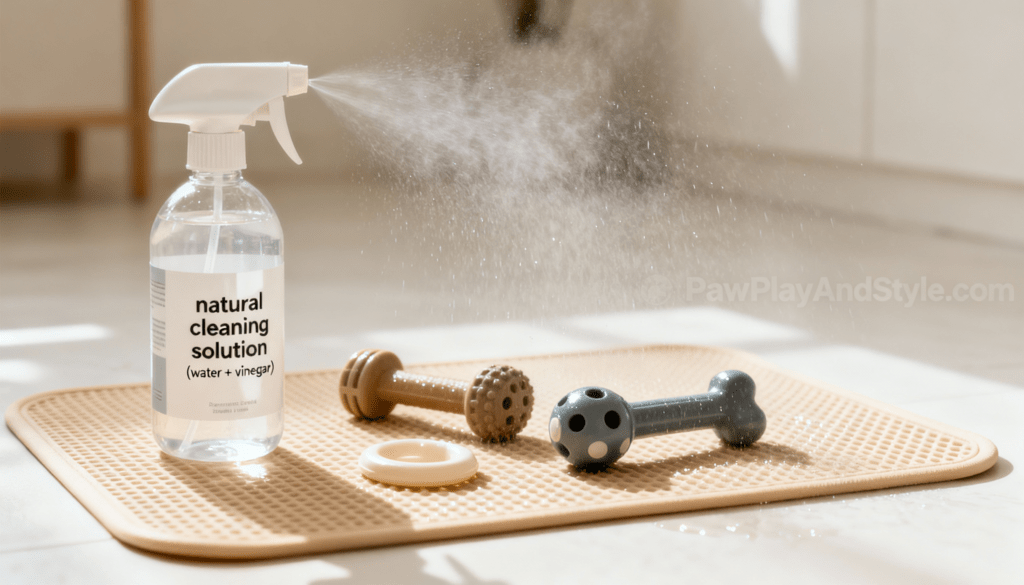
Even after washing, toys may still carry bacteria or unpleasant odors. Disinfecting helps ensure deeper sanitation.
Use a pet safe disinfectant or a natural cleaning solution made from equal parts water and vinegar. Spray lightly and allow the toys to air dry fully before giving them back to your pet. Never use harsh chemicals such as bleach, as these substances can harm pets. Some rubber toys can be boiled for a short time to kill germs effectively.
4. Check for Wear and Tear
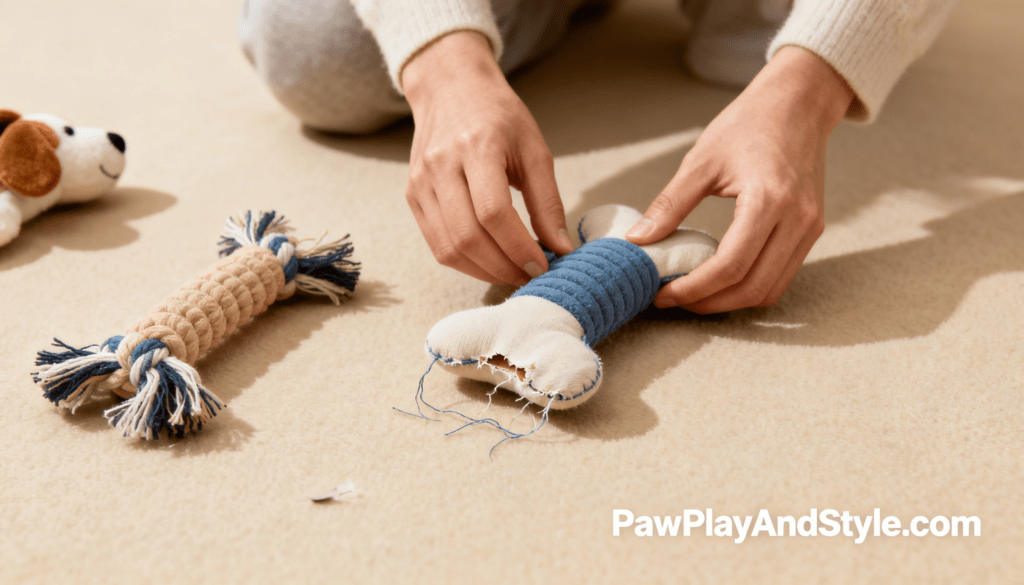
Worn out toys can become dangerous. Inspect toys frequently for any signs of damage such as cracks, loose parts, rough edges, torn fabric, or exposed stuffing. Damaged toys can cause choking hazards or blockages if swallowed. If a toy smells bad, shows discoloration, or appears unsafe, it should be thrown away immediately.
5. Rotate Toys to Keep Them Fresh
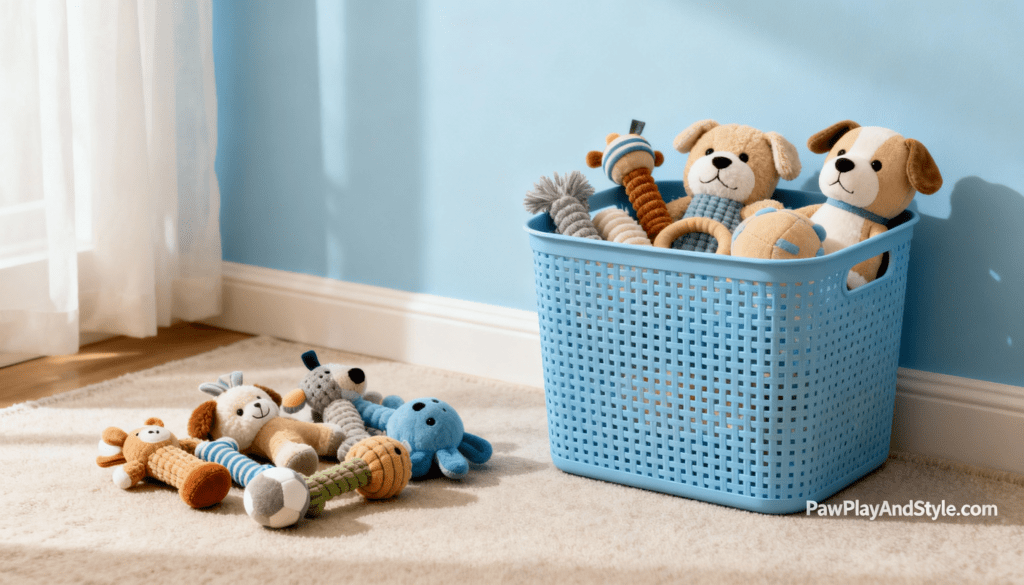
Rotating toys makes playtime more exciting and allows enough time for cleaning and drying between uses. Keep a portion of toys stored away while others are available for play. A weekly toy cleaning and rotation routine helps maintain hygiene and prevents toys from becoming overused or worn too quickly.
6. Tips for Outdoor Toys
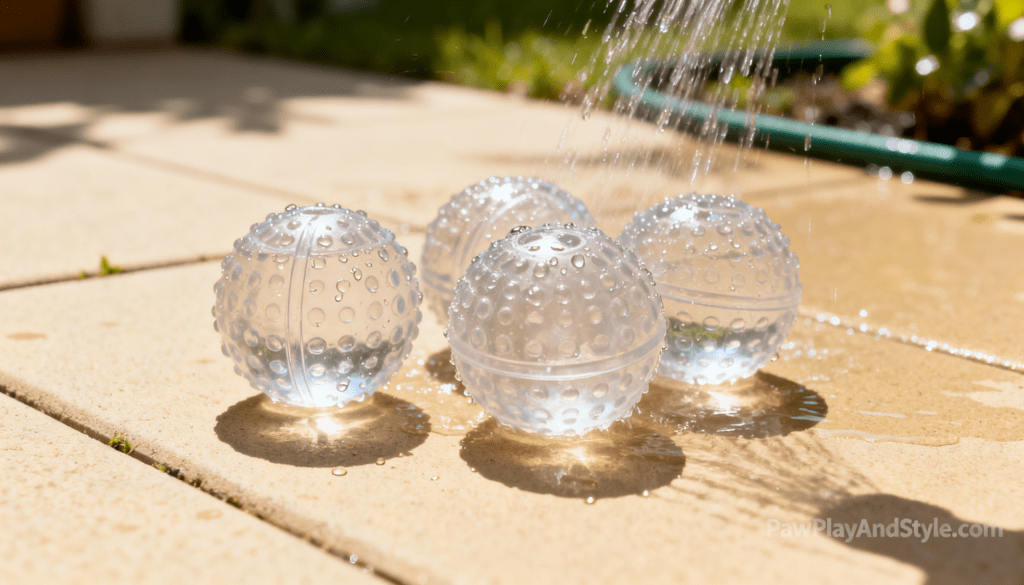
Outdoor toys gather more dirt, mud, and bacteria than indoor toys. Rinse them thoroughly after every outdoor play session. Rubber or plastic toys used outside should be washed at least once a week. Allow outdoor toys to dry in sunlight, which naturally helps reduce odors and provides mild antibacterial benefits.
7. Bonus Tips for Cats
Catnip toys can lose their scent if washed too often, so hand washing and air drying are recommended. For feather toys, clean the handle gently and replace the feathers when they become worn out or damaged.
Conclusion
Maintaining toy hygiene is an essential part of responsible pet care. Clean toys prevent illness, reduce bad odors, and extend the life of your pet’s favorite playthings. By sorting toys according to their material, washing and disinfecting them regularly, checking for signs of damage, and rotating them consistently, you ensure a cleaner and safer play environment for your pets. A little extra effort helps keep your pets healthier, more active, and happier every day.